Tunda is 72-year-old village medicine woman
"I get stuck sometimes, I felt like I'm walking through mud."
Her Situation
Tunda doctors families in a rural region in Tanzania. She has had right shoulder pain for years, but she now has increasing trouble carrying her medicine bag to and from the villages she serves.
Tunda experienced increased right sided stiffness and pain which caused her to move slower. She attributed her “slowness” to shoulder problem and aging. However, as time passed, Tunda began to feel immobilized. She had also developed a right arm tremor.
Her Evaluation
Tunda saw a neurologist by tele-health at the medical center in the city. She was diagnosed withParkinson’s Disease with a thorough neurological history and exam. One of the tasks that Tunda completed was a writing exercise known as a "spiral test." This test revealed that hand writing problems indicating her difficulty with dexterity and fluid movement.
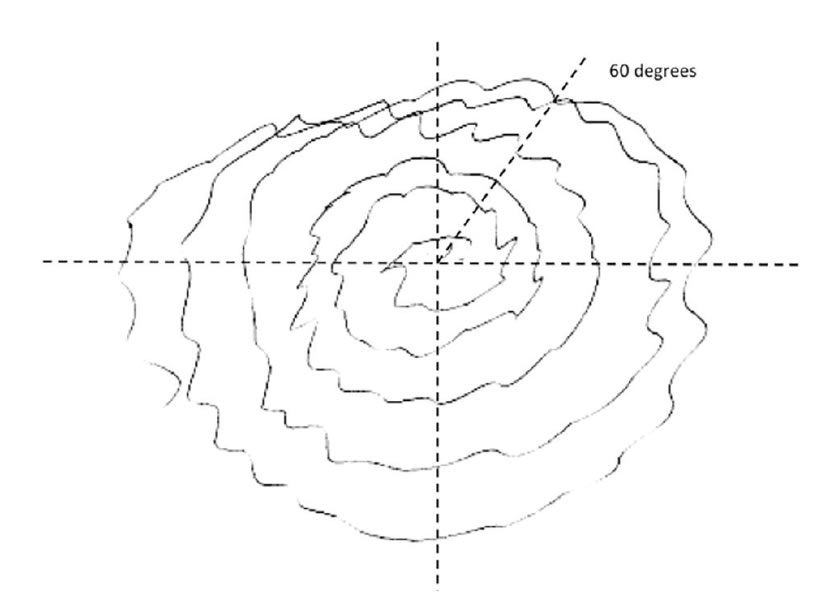
Although men have a higher incidence of Parkinson's, but older women like Tunda have a higher risk of developing Parkinson’s.
Women like Tunda often first feel discomfort in their large muscle groups, such as the shoulder girdle, lower back, and hips, as initial symptoms.
Women-specific Parkinson's symptoms are frequently overlooked by health care providers. For this reason, the path to diagnosis for women with Parkinson's is prolonged.
Her Plan
Based on her symptoms and examination, she agreed to take medication and start a movement therapy plan to help increase her function and continue treating her patients. Most importantly, she kept a diary of her movement patterns and sensations after starting her medications, allowing her and her neurologists to better picture how the Parkinson's medications were working in her body.
Her Experience
Tunda experiences the feeling of being unable to move, or being stuck, multiple times a day which causes confusion and distress. She was referred to Your Brain Doctor® to help her understand the confusing, chaotic sensations and loss in her movements associated with Parkinson's. The goal of her consult pathway was to determine what life changes she could make to improve her own physical activity and movement.