"If feels like my cancer is back with a vengence"
Mitsoki is a 46-year-old artist who experienced recurrent breast cancer.
Mitsoki's existence and purpose as an artist was pivotal in helping her focus on getting through a tumultuous path. Her metastatic cancer cast a painful shadow that required a pursuit a community of knowledge and survival, of shared experiences, and proven methods for to foster strength and recovery despite of the impact of her pain.
Her Complaint
"I have problems with my body, and I have a relentless headache"
For months she suffered from headaches along with continued incoordination in her right arm and hand. She took Tylenol, aspirin, and a specialized pain medication daily. However, nothing worked to relieve her pain. Mitsoki could hardly paint. As a result she could not complete her customer commissions and struggled to keep her business afloat. For Mitsoki, losing her ability to create was more distressing than the headaches.
Misoki was referred for an MRI scan of her brain, which revealed an abnormality in her temporal lobe. Only one year after her initial treatment for breast cancer, Mitsoki’s learned that her cancer had returned, and now it was in her brain.
The brain is a common target for metastatic breast cancer. When breast cancer cells metastasize, the cells spreads from the breasts. Brain doctors often diagnose symptoms such as headaches and seizures that are caused by cancer cells that have spread to the brain and changed brain function. Teams of brain doctors, including neurosurgeons and neurologists, are trained to assess, monitor, and improve functional disability related to cancer.
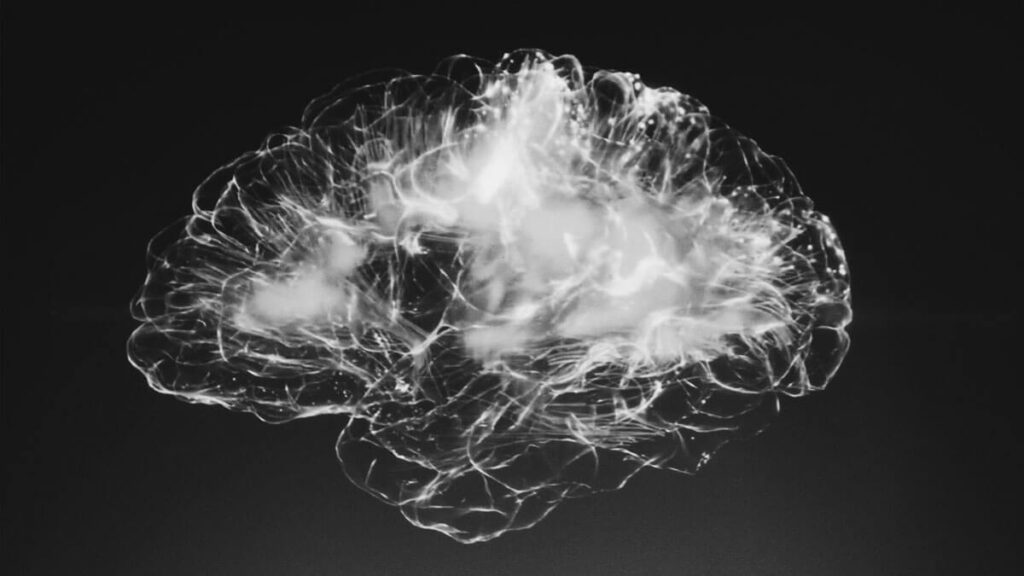
The large lobes of the brain, known as the cerebral hemispheres, are the primary brain areas impacted by metastatic breast cancer, which means breast cancer cells have spread to the brain.
Depending on which lobe and which hemisphere of the brain is affected by the tumor, women can experience headaches, vision loss, weakness and other symptoms of neural irritation.
Her Plan
Mitoski underwent brain surgery to remove her metastatic brain tumor. She was prescribed pain medications and neural motor therapy to help with the incoordination that persisted even after her surgery. Both before and after her brain surgery, Mitsoki's the impact of metastatic cancer was overwhelming. She faced multiple obstacles on her path to recovery.
Your Brain Doctor® provided Mitsoki with specific neural training focused on helping her overcome the loss, fear and uncertainty caused by cancer recurrence.